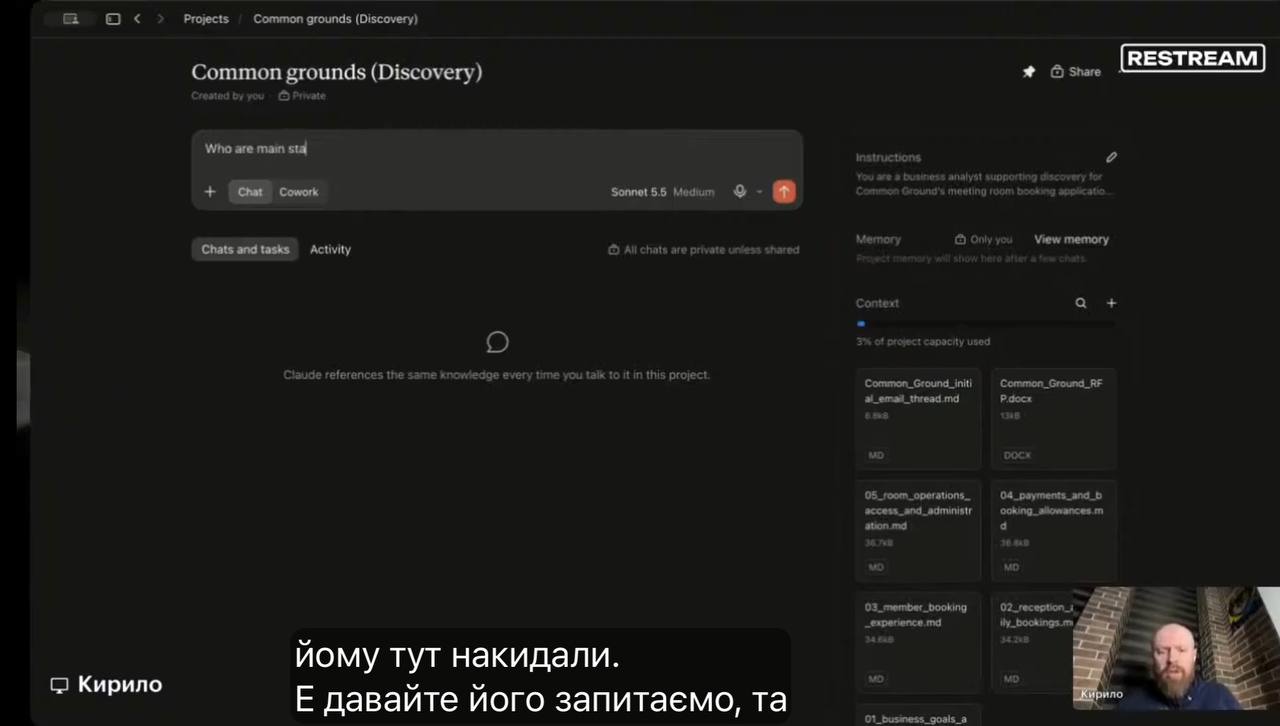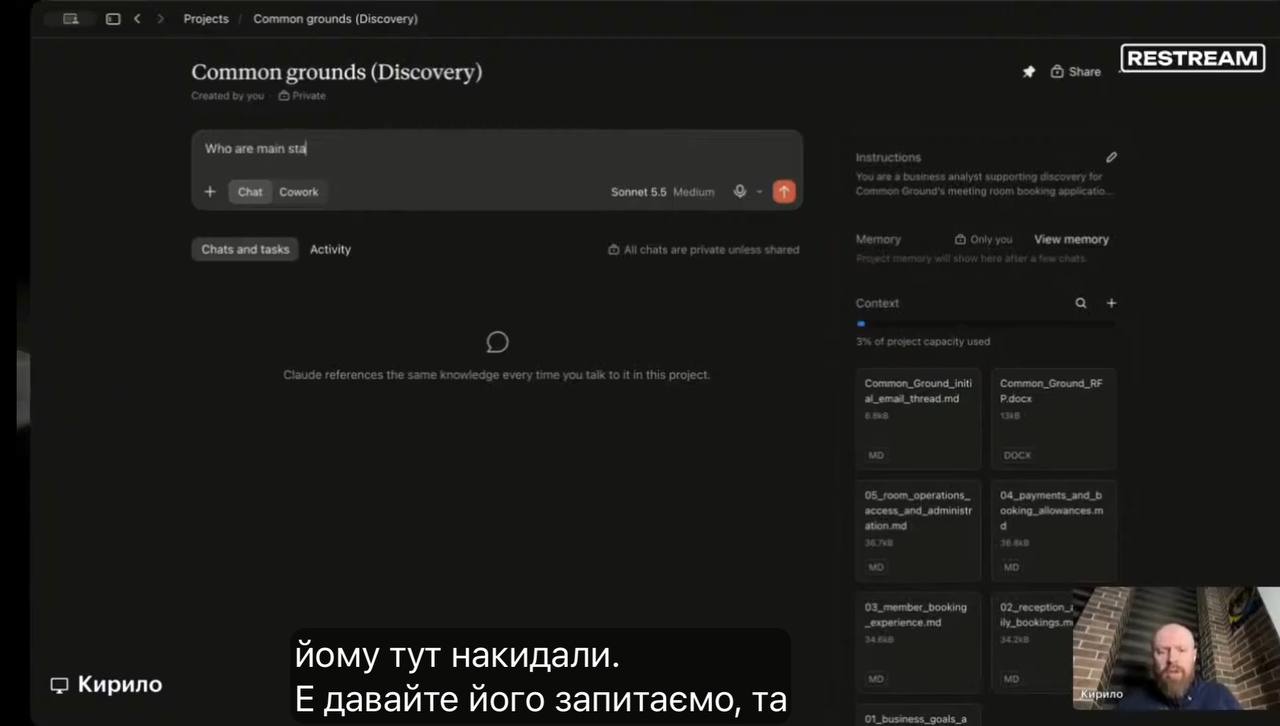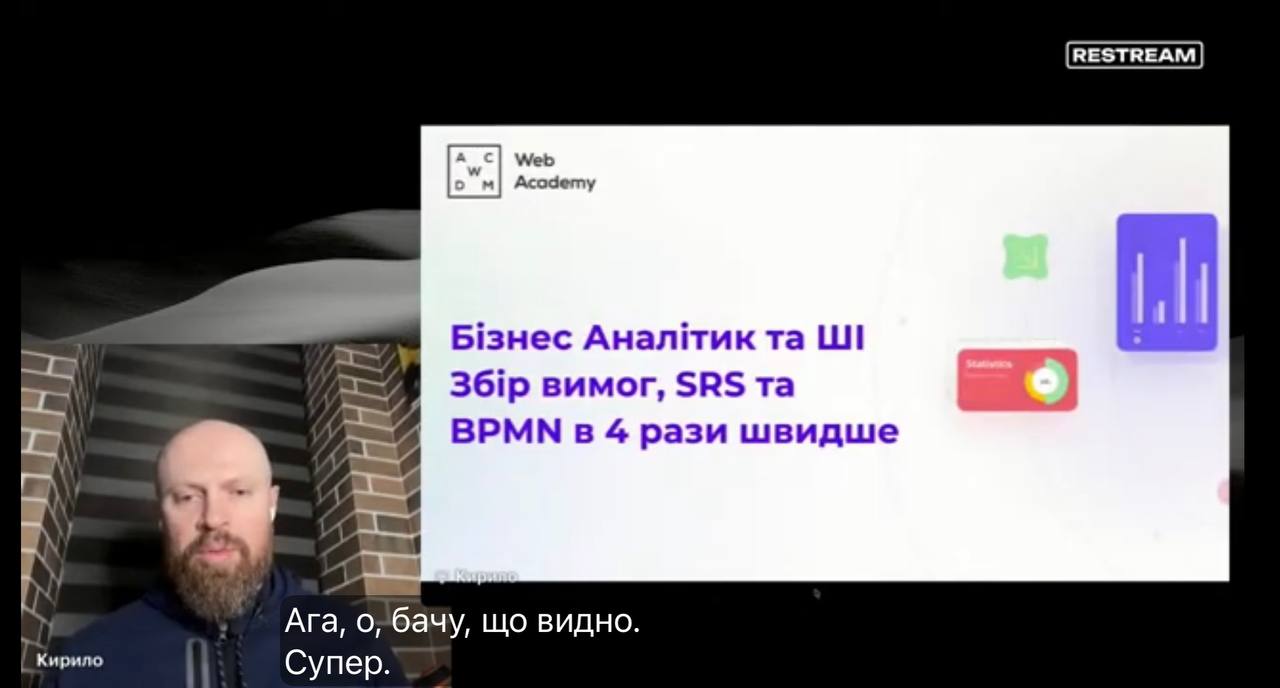
On November 12, 2026, members of the Student Research Group for the “Economic Cybernetics” educational program in the C1 specialization “Economics and International Economic Relations”—Alina Yurievna Yefimenko, Svetlana Vladimirovna Kolomiets, and Olena Vasylivna Kolotilina—attended the webinar “Business Analyst + AI: Requirement Gathering, SRS, and BPMN 4 Times Faster” hosted by Web Academy.
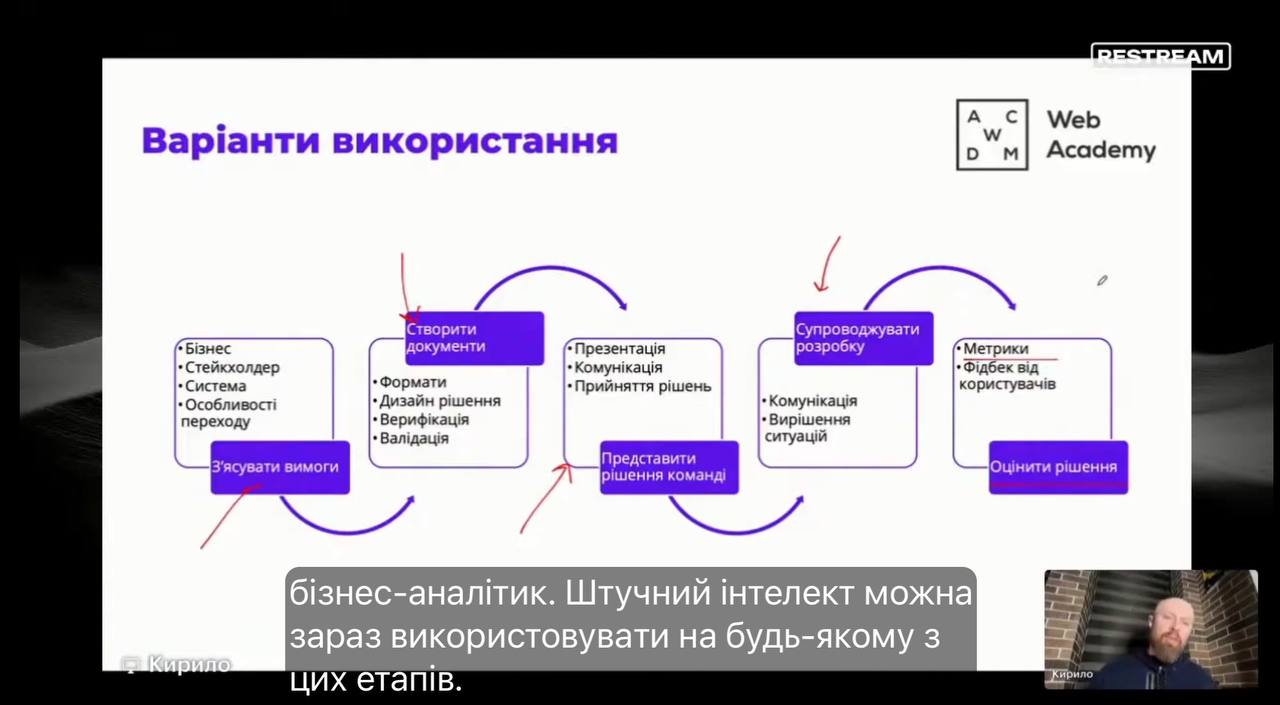
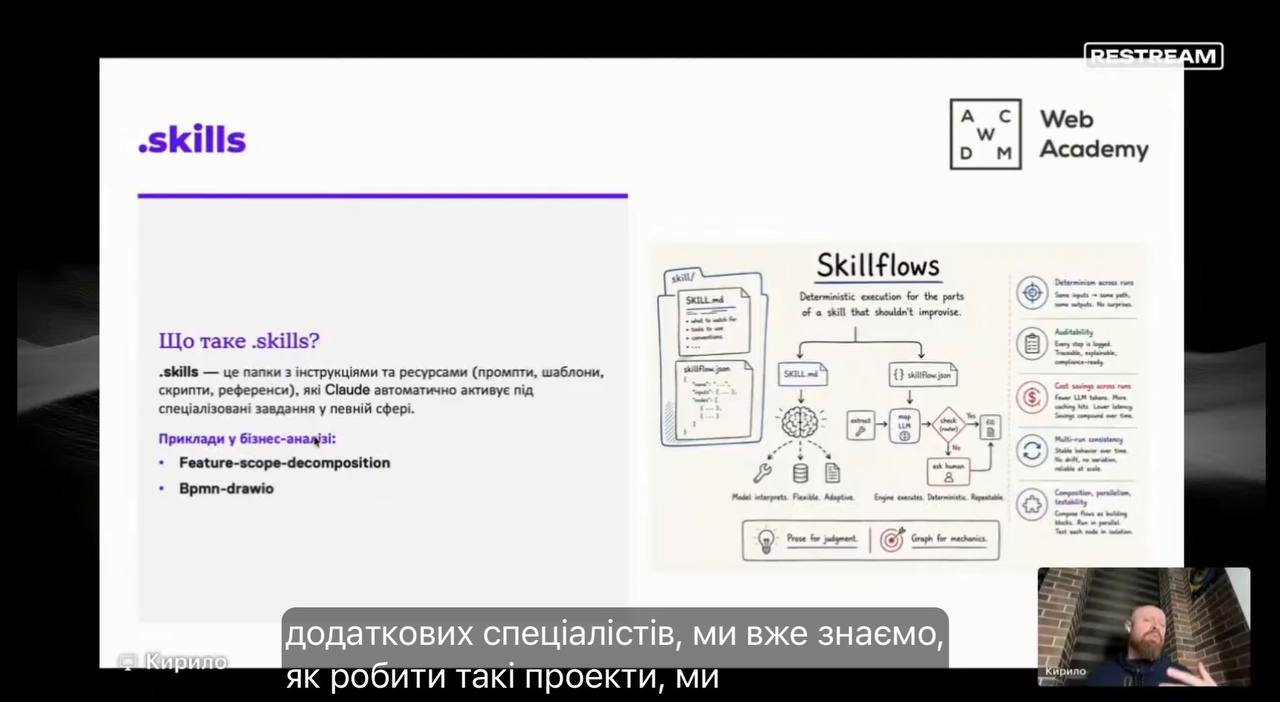
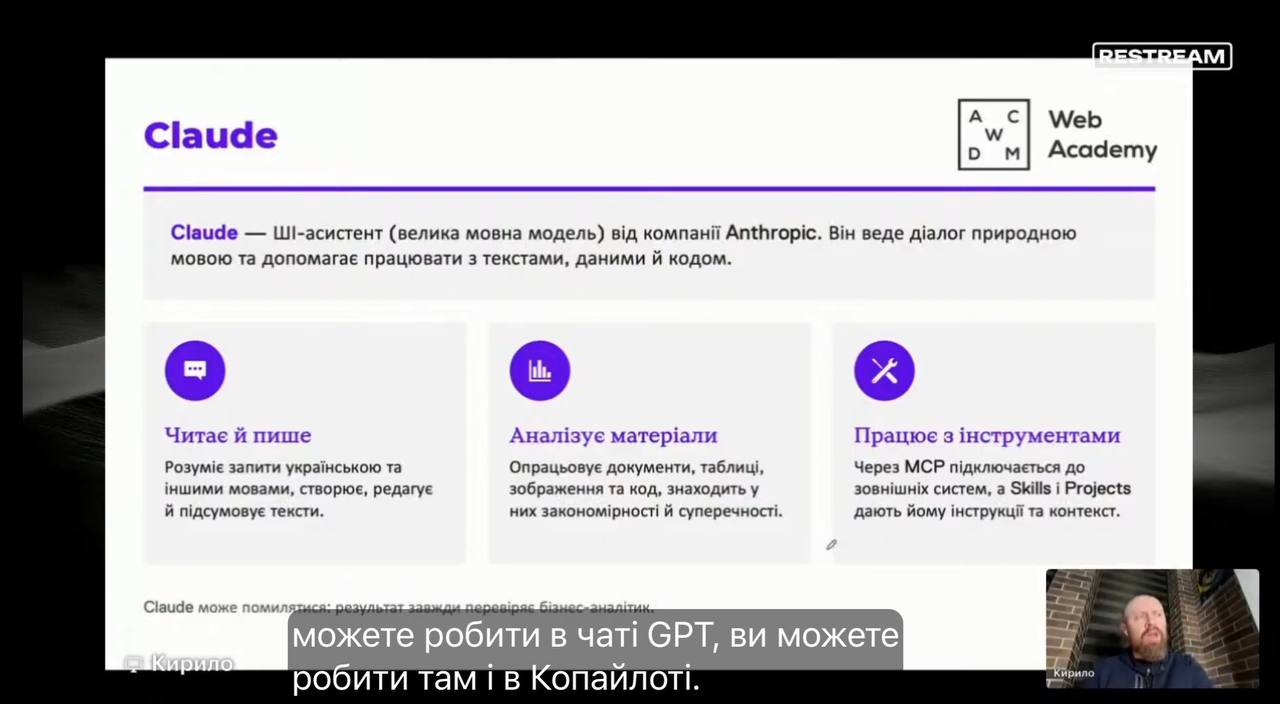
The event focused on the use of artificial intelligence in the work of a business analyst (BA).
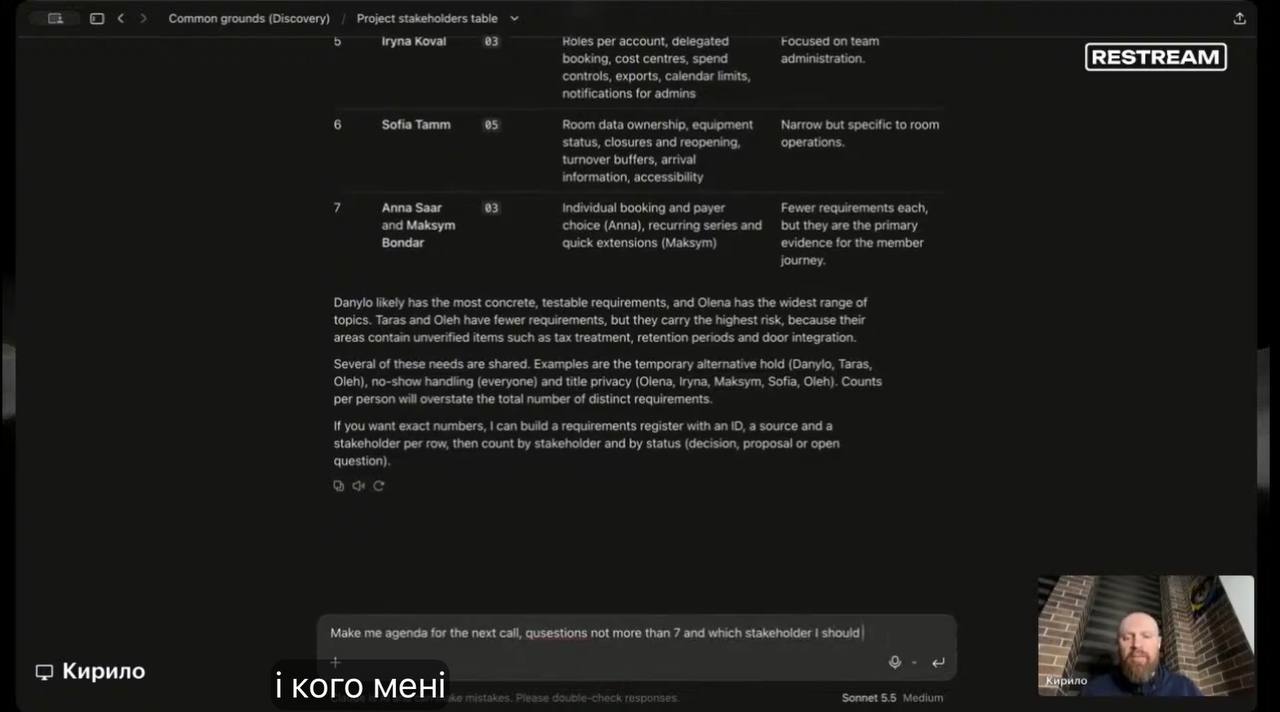
During the event, representatives of the Department of Economic Cybernetics learned about modern approaches to using AI assistants at various stages of business analysis. In particular, they explored the possibilities of quickly gathering, analyzing, and structuring initial business requirements using artificial intelligence; the automated generation of SRS (Software Requirements Specification) document structures and functional specifications; as well as the design and validation of business processes using BPMN (Business Process Model and Notation).
Special attention was given to practical case studies from the day-to-day work of business analysts, common mistakes, professional challenges, and tools that help optimize workflows.
Participation in such events is of particular practical value for students in the “Economic Cybernetics” educational program, since a modern economic analyst must not only be proficient in methods of economic and mathematical modeling and data analysis, but also understand the logic of business operations, be able to formalize management tasks, identify client needs, and translate them into clear functional requirements for information systems.
The knowledge gained and practical examples will help develop the competencies necessary to work as business analysts, systems analysts, digital transformation specialists, and IT project managers. In addition, the use of AI tools and BPMN modeling expands students’ capabilities in automating business processes, developing digital solutions, and making informed management decisions.
The combination of economic education, analytical thinking, and modern AI technologies is a key component in preparing competitive professionals who are ready to meet the challenges of the digital economy and today’s job market.